Vie
Vie Eng
EngFounded more than 1,000 years ago, Hanoi is a city where history, culture, and modern life blend seamlessly. Vietnam’s capital is renowned for its centuries-old architecture, tree-lined boulevards, and the winding streets of the Old Quarter, many of which date back to the 14th century. As you stroll through the city, you’ll encounter French colonial buildings, ancient temples, bustling markets, and vibrant local communities that tell the story of Hanoi’s rich heritage.
Yet Hanoi is far more than a living museum. Today, the city thrives with stylish cafés, world-class restaurants, contemporary art galleries, and a dynamic nightlife scene. From elegant rooftop bars to lively bia hơi corners, there is always something to discover after sunset.
If you’re visiting Hanoi for the first time, here are 10 must-visit attractions that showcase the very best of Vietnam’s captivating capital.
1. Hoan Kiem Lake – The Heart of Hanoi
Located in the very center of the city, Hoan Kiem Lake is one of Hanoi’s most iconic landmarks and a beloved gathering place for locals and visitors alike. Situated just 4.9 km from Amiana Hotel Hanoi, the lake offers a peaceful retreat amid the city’s bustling energy.
In the early morning, locals gather around the lake to exercise, practice tai chi, jog, and socialize. As evening falls, the area transforms into a vibrant public space where visitors can enjoy street performances, traditional folk art demonstrations, live music, and a variety of local cultural activities. A visit to Hoan Kiem Lake provides an authentic glimpse into everyday life in Hanoi while offering stunning views and a tranquil atmosphere.
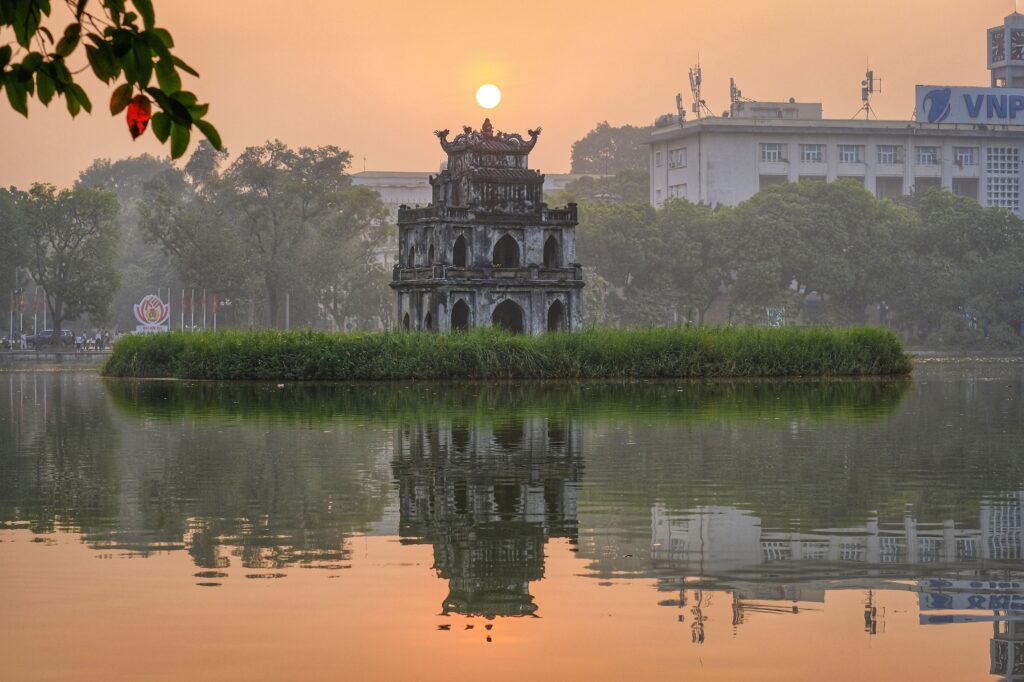
Hoan Kiem Lake – The Heart of Hanoi
2. Hanoi Old Quarter – A Journey Through Time
The Hanoi Old Quarter, often referred to as the “36 Streets,” is the cultural and historical soul of the city. Each narrow lane tells a story, preserving centuries of commerce, craftsmanship, and local traditions. Visitors can wander among traditional tube houses, discover hidden cafés, shop for local handicrafts, and sample some of Hanoi’s most famous street foods. The neighborhood perfectly captures the charm, elegance, and character that have defined Hanoi for generations. For travelers seeking to experience authentic local culture, the Old Quarter is an essential stop.
3. Long Bien Bridge – A Symbol of Hanoi’s Resilience
Built in the late 19th century, Long Bien Bridge is one of Hanoi’s most important historical landmarks. More than just a transportation structure, it stands as a symbol of resilience and endurance, having witnessed many significant events throughout Vietnam’s history. Visitors can walk across the bridge to admire panoramic views of the Red River, observe daily life along the riverbanks, explore the nearby alluvial island, and enjoy local riverside cuisine. The bridge also offers excellent photography opportunities, especially at sunrise and sunset.

Hanoi Old Quarter – A Journey Through Time
4. Imperial Citadel of Thang Long – A UNESCO World Heritage Site
Recognized as a UNESCO World Heritage Site in 2010, the Imperial Citadel of Thang Long is one of Vietnam’s most significant historical treasures. With a history spanning over 1,300 years, the site served as the political center of various Vietnamese dynasties. Archaeological discoveries, ancient relics, and historic structures provide fascinating insights into the development of Thang Long – modern-day Hanoi and the broader history of Vietnam. Located approximately 4.9 km from Amiana Hotel Hanoi, the citadel makes for an enriching cultural excursion.
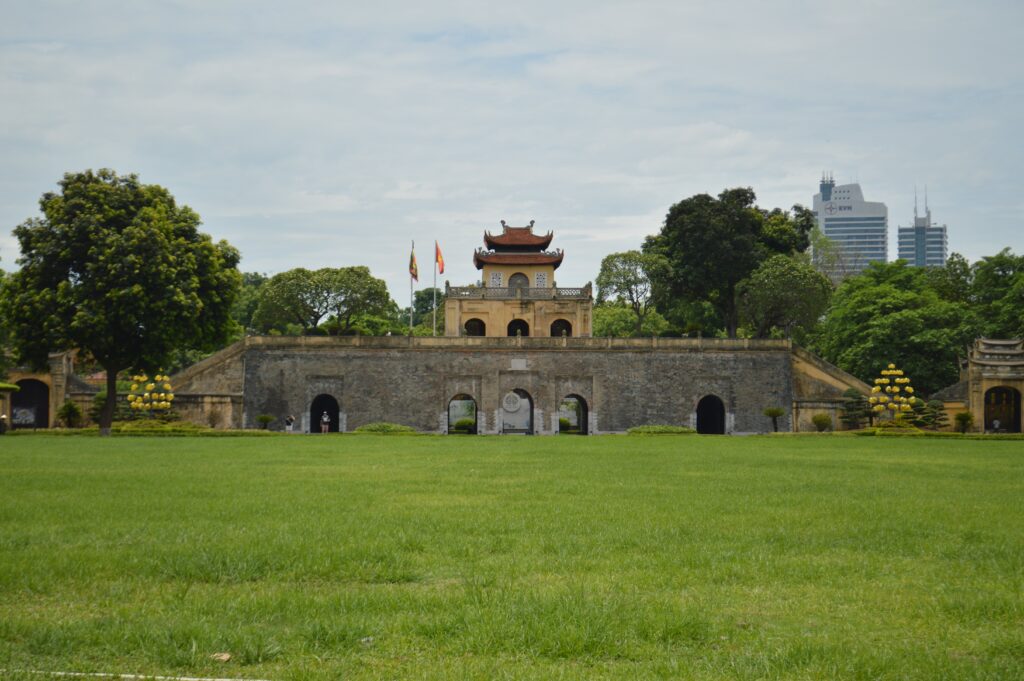
Imperial Citadel of Thang Long – A UNESCO World Heritage Site
5. Temple of Literature – Vietnam’s First University
Established in 1070 during the Ly Dynasty, the Temple of Literature is one of Vietnam’s most important cultural and educational landmarks. Dedicated to Confucius and scholars, it later became home to the Imperial Academy, widely regarded as Vietnam’s first university. Today, visitors can admire its elegant traditional architecture, peaceful courtyards, and the famous Doctoral Stelae, which were recognized by UNESCO as part of the Memory of the World Register. The Temple of Literature offers a fascinating insight into Vietnam’s long-standing tradition of learning and academic excellence.
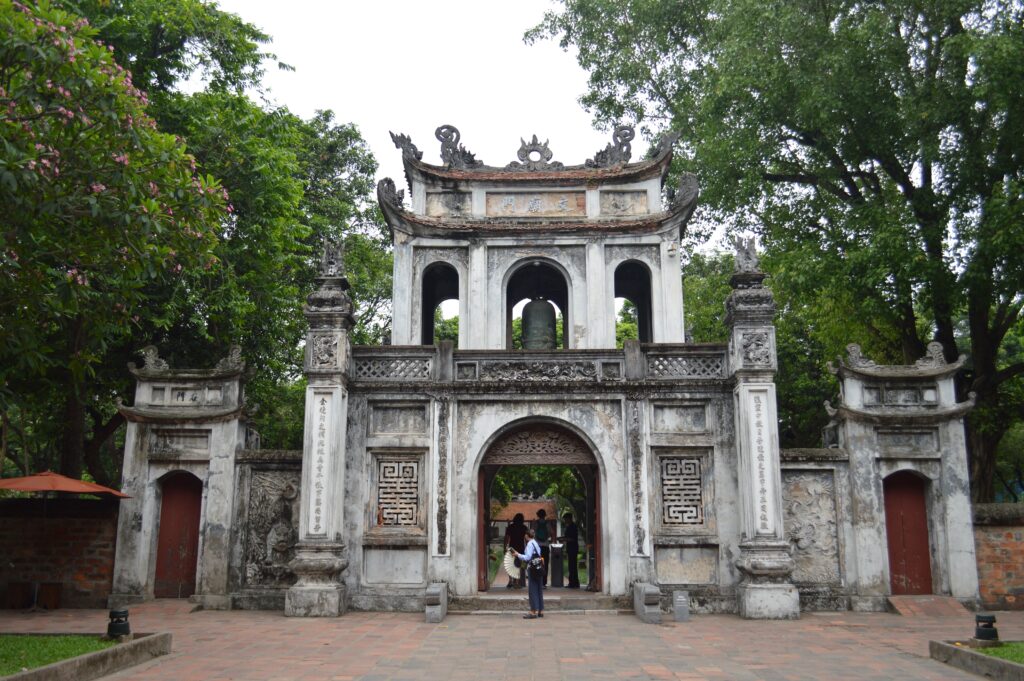
Temple of Literature – Vietnam’s First University
6. Hanoi Opera House – French Elegance in the Capital
Inspired by the Palais Garnier in Paris, the Hanoi Opera House is one of the finest examples of French colonial architecture in Vietnam. Since its completion in the early 20th century, it has remained a prominent cultural venue hosting concerts, theatrical performances, and artistic events. Visitors can join guided tours to learn about the building’s history, architectural design, backstage areas, and performance spaces, making it a rewarding experience for architecture and culture enthusiasts alike.
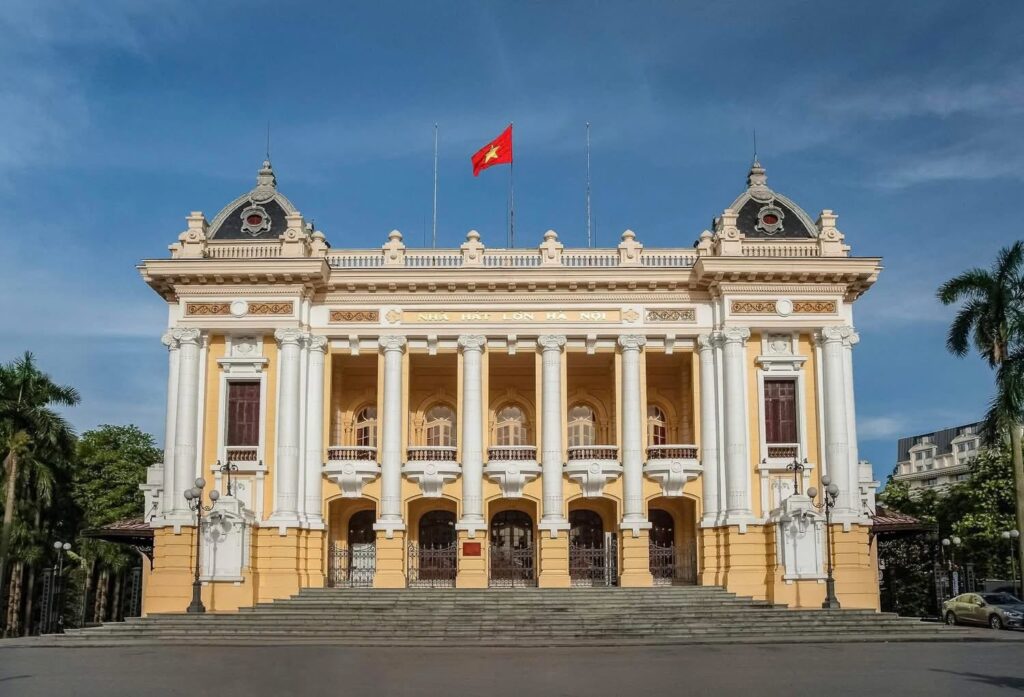
Hanoi Opera House – French Elegance in the Capital
7. Hoa Lo Prison Relic – A Powerful Historical Experience
Hoa Lo Prison is one of Hanoi’s most significant historical sites, offering visitors a deeper understanding of Vietnam’s complex past. Originally built in the late 19th century, the prison played an important role during several pivotal periods in Vietnamese history. Through carefully preserved exhibits, historical documents, and reconstructed prison cells, visitors gain valuable insights into the experiences of those who were imprisoned there. The highly acclaimed night tour combines storytelling, sound, and lighting effects to create an immersive and emotional journey through history. Located just 4.2 km from Amiana Hotel Hanoi, Hoa Lo Prison is an essential destination for history enthusiasts.
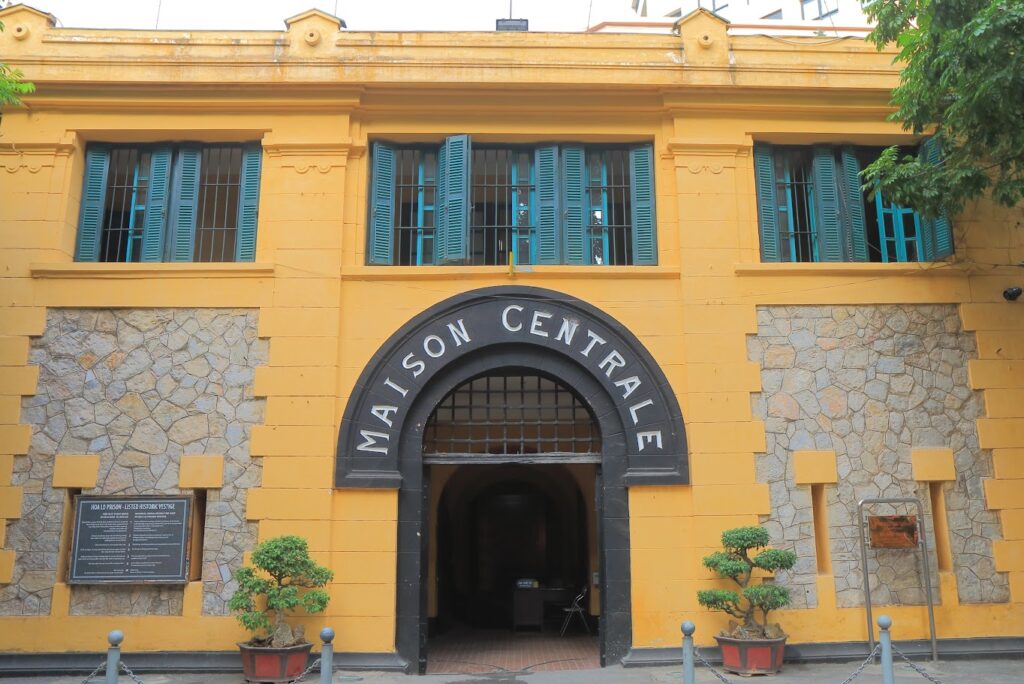
Hoa Lo Prison Relic – A Powerful Historical Experience
8. One Pillar Pagoda – An Icon of Vietnamese Architecture
Among Hanoi’s most recognizable landmarks, One Pillar Pagoda is celebrated for its unique architectural design and spiritual significance. Built in 1049 during the reign of Emperor Ly Thai Tong, the pagoda has become a symbol of Vietnamese culture and heritage. Designed to resemble a lotus blossom rising gracefully from the water, the structure reflects both Buddhist symbolism and traditional Vietnamese aesthetics. Visitors are drawn to its serene atmosphere, historical importance, and distinctive beauty, making it one of Hanoi’s most photographed attractions.
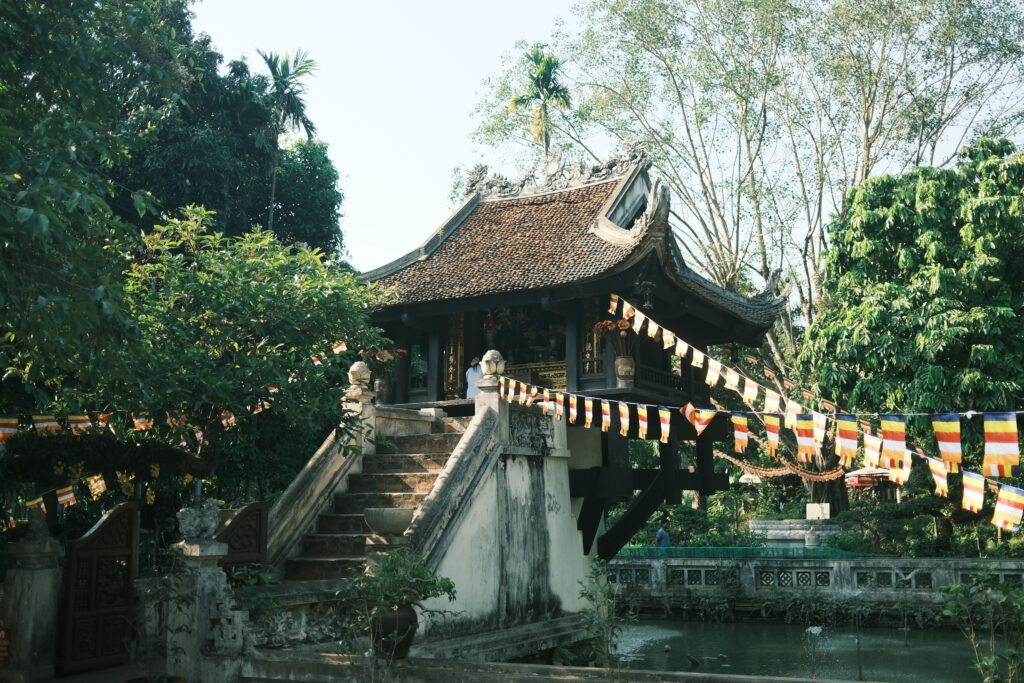
One Pillar Pagoda – An Icon of Vietnamese Architecture
9. West Lake – Hanoi’s Scenic Escape
As Hanoi’s largest freshwater lake, West Lake offers a refreshing contrast to the city’s busy streets. Often referred to as the “green lung” of the capital, the lake is surrounded by scenic roads, lush greenery, and some of Hanoi’s most notable religious and cultural landmarks. Visitors can explore nearby attractions such as Tran Quoc Pagoda, Quan Thanh Temple, and Tay Ho Palace. The lake is particularly famous for its breathtaking sunsets, making it a favorite destination for photographers and couples alike. Whether you’re cycling, enjoying lakeside dining, or simply relaxing by the water, West Lake provides a peaceful escape within the city.
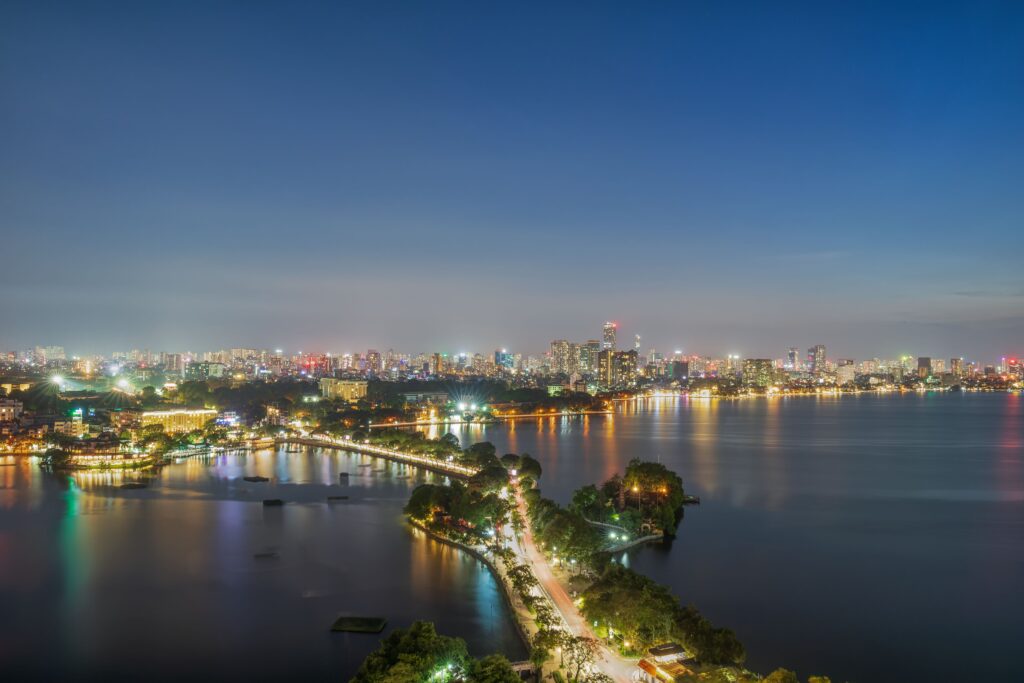
West Lake – Hanoi’s Scenic Escape
10. Ta Hien Beer Street – Hanoi After Dark
For travelers seeking nightlife and local energy, Ta Hien Street is the place to be. Located in the heart of the Old Quarter, this lively street perfectly reflects the contrast between Hanoi’s traditional heritage and contemporary urban lifestyle. During the day, Ta Hien retains the charm and tranquility of the historic quarter. At night, however, it transforms into one of Hanoi’s most vibrant entertainment districts, filled with bars, pubs, restaurants, street performers, and crowds of locals and international visitors. Enjoying a cold glass of local draft beer while soaking up the lively atmosphere is an experience many travelers consider a highlight of their Hanoi journey.
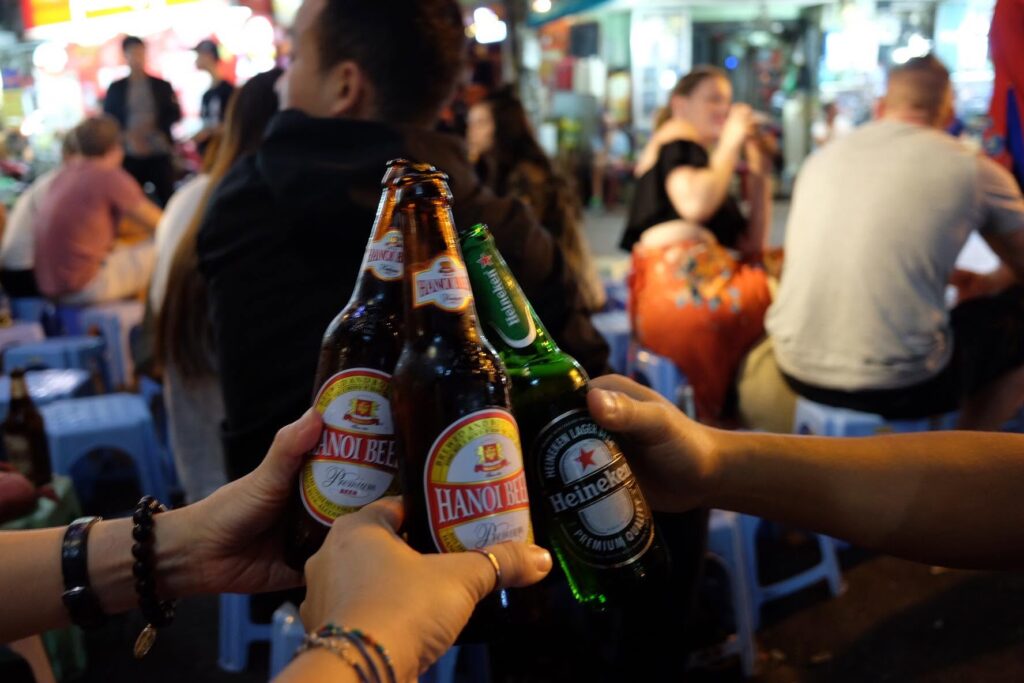
Ta Hien Beer Street – Hanoi After Dark
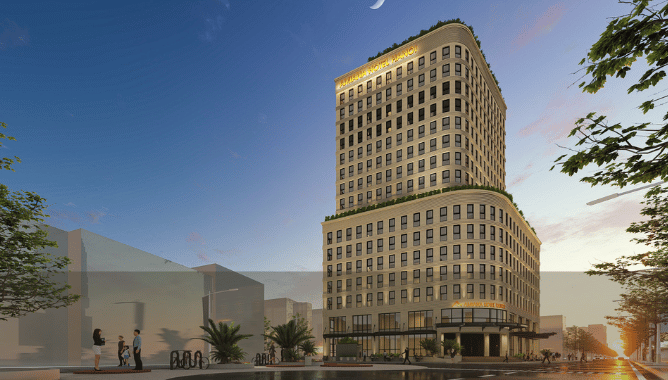
Discover Hanoi with Amiana Hotel Hanoi
From ancient temples and UNESCO-listed heritage sites to bustling markets and vibrant nightlife, Hanoi offers an extraordinary variety of experiences for every traveler. Each destination reveals a unique aspect of the capital’s rich history, culture, and modern identity.
Conveniently located with easy access to many of Hanoi’s most famous attractions, Amiana Hotel Hanoi serves as the perfect starting point for your exploration of the city. Whether you are seeking cultural discoveries, historical landmarks, local culinary adventures, or simply a relaxing urban getaway, Amiana Hotel Hanoi offers a refined stay where genuine hospitality meets the timeless charm of Vietnam’s capital.
-

- Follow us on:

- No.15 Thanh Cong Street, Giang Vo Ward, Ha Noi, VietnamCopyright © 2026 Amiana. All rights reserved